
为何阿隆索在皇家马德里的执教生涯已然告终?
【看足球,学英语,四六级】为何阿隆索在皇家马德里的执教生涯已然告终?

本文系用户投稿,不代表机核网观点
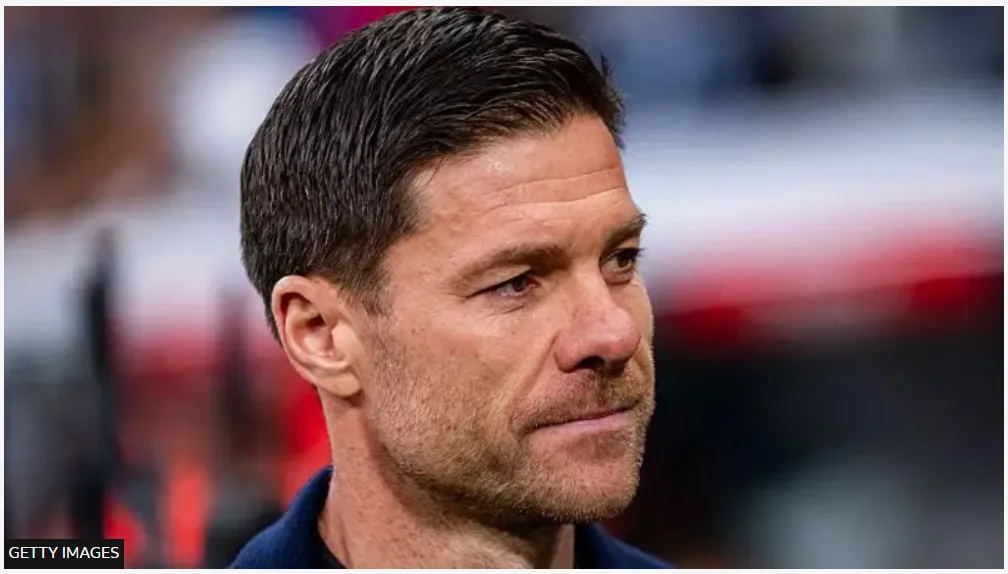
Why Alonso's reign is over at Real Madrid
为何阿隆索在皇家马德里的执教生涯已然告终?
The images travelled fast. Kylian Mbappe gesturing for his team-mates to leave the pitch. Xabi Alonso asking him to stay. Mbappe insisting. And Xabi, eventually, turning away and doing as his star demanded. No guard of honour for Barcelona after their Spanish Super Cup win on Sunday.
For many, it looked like a lack of sporting grace, something never associated with Xabi Alonso. It also suggested something else entirely, that the team, not the manager, was in charge.
And after a final that had been tight, decided by a deflection, you could almost imagine Xabi thinking: enough.
But this was not a resignation. And it was not planned. Xabi Alonso did not expect to be leaving as Real Madrid boss - just seven and a half months after being appointed. Not yet anyway.
In the official statement, Real Madrid described the departure as "mutual agreement" but it was a departure that was ultimately inevitable.
After many disagreements with their manager about tactics and approach over the last few months, at around 4.30pm Spanish time on Monday, the board met with one subject on the table - the departure of Xabi Alonso.
The explanations offered to him and his entourage were, at best, ambiguous.
'He had not been able to implement the football that had made him so successful at Bayer Leverkusen'. 'The team's physical condition was not ideal'. 'Players had not improved'. 'They did not appear to be playing for him'.
Defeats were listed: Paris St-Germain in the Club World Cup semi-final, Atletico Madrid in La Liga (5–2), among others.
And yet Real Madrid are in the top eight in the Champions League league phase, the competition that defines them.
They are through to the next round of the Copa del Rey and are four points behind Barcelona at the halfway point of La Liga, having beaten the Catalans when they met in October. Crisis?
More than a crisis, it was confirmation that Florentino Perez never truly believed in his manager.
Xabi Alonso was suggested to him and agreed to as the club's new boss, but without conviction. At his previous club Bayer Leverkusen, not everyone bought into Xabi from day one either.
Results arrived, and the squad turned towards him. At Madrid, even with decent results, that never happened. From the start, Xabi felt alone.
Beginning a managerial career at Real Madrid is the hardest challenge in football. Nobody says no to Madrid, not even those who understand how difficult it is to transform a culture built on individual brilliance into a modern collective where everyone presses and everyone defends.
A manager is strongest when he arrives, but Madrid dented his authority from the beginning.
He wanted to start his tenure after the Club World Cup, not before it. The tournament was played after a long season, with players thinking about holidays and others knowing they would not be there the following year. He was not even allowed to discuss it.
The signings did little to help: Franco Mastantuono, sold by parts of the media as the anti-Lamine Yamal, made no real impact.
Vinicius Junior's crisis marked the beginning of the end, with his form dipping and blaming the new manager, he then visibly protested his substitution in El Clasico, then apologising to everyone except the manager.
Contract talks were paused to see what happened with Xabi.
Injuries ravaged the defence, while the club ignored his request for a midfielder (he wanted Martin Zubimendi).
There were no strong personalities to bind the group together. Even Federico Valverde seemed more concerned with where he played than with the collective.
Mbappe chased records, not always what he needed to recover from his latest injury, playing to equal Cristiano Ronaldo's 59 goals in a calendar year.
Xabi never managed to convince the players his way was the right way. And without that, he could not impose the high press, the tempo, the positional football that defined his Leverkusen side.
So what now?
He must decide whether rest is what is coming next for him. Those that know him think that leaving, even though not wanted, will be a bit of a relief. It simply did not work.
But the message from Europe's biggest clubs is clear, many would be happy to have him next season, if circumstances allow.
Real Madrid, once again, are viewed as outliers - a club that operates differently, restricts its manager, and even quietly prepares the ground for a dismissal months before it happens, aided by loyal media.
Next in line is Alvaro Arbeloa, Castilla coach. A club man. But if a legend like Xabi Alonso could not change the culture, Arbeloa faces an almost impossible task.
If this season ends without trophies, Europe's elite will feel confirmed in their belief. If, by one of football's familiar contradictions, Real Madrid end up lifting silverware, we will reach the same conclusion we always do.
That some managers fit certain clubs. And some clubs refuse to be managed at all.
四六级核心单词解析
1. gesture
含义:v. 做手势;用动作示意;n. 手势;姿态
例句:Kylian Mbappe gestured for his team-mates to leave the pitch instead of giving a guard of honour.
翻译:基利安・姆巴佩示意队友离场,拒绝向对手列队致敬。
2. grace
含义:n. 风度;优雅;善意
例句:Many fans thought Mbappe's behaviour showed a lack of sporting grace after the match.
翻译:许多球迷认为姆巴佩赛后的举动缺乏体育风度。
3. inevitable
含义:adj. 不可避免的;必然发生的
例句:Despite decent results, Xabi Alonso's departure from Real Madrid was ultimately inevitable.
翻译:尽管战绩尚可,哈维・阿隆索离开皇马终究是不可避免的。
4. ambiguous
含义:adj. 含糊不清的;不明确的
例句:The explanations offered to Xabi Alonso and his entourage were ambiguous at best.
翻译:向哈维・阿隆索及其团队给出的解释,往好了说也是含糊不清的。
5. implement
含义:v. 实施;执行;贯彻
例句:Xabi Alonso had not been able to implement his successful football tactics at Real Madrid.
翻译:哈维・阿隆索未能在皇马贯彻他那套曾大获成功的足球战术。
6. ravaged
含义:v. 严重破坏;肆虐;重创(ravage 的过去分词)
例句:Injuries ravaged Real Madrid's defence and affected the team's performance greatly.
翻译:伤病重创了皇马的后防线,严重影响了球队的表现。
7. impose
含义:v. 推行;强制实行;强加
例句:Without the players' support, Alonso could not impose his high-press playing style.
翻译:没有球员的支持,阿隆索无法推行他的高压逼抢战术。
8. tempo
含义:n. 节奏;速度;节拍
例句:The tempo of the game is a key element in Xabi Alonso's positional football system.
翻译:比赛节奏是哈维・阿隆索传控体系中的关键要素。
9. outlier
含义:n. 异类;局外人;与众不同的人或事物
例句:Real Madrid are viewed as outliers that operate differently from other European clubs.
翻译:皇马被视为异类,运营模式与其他欧洲俱乐部截然不同。
10. contradiction
含义:n. 矛盾;对立;不一致
例句:It is one of football's familiar contradictions that a team can win trophies with a chaotic management.
翻译:一支球队能在管理层混乱的情况下赢得奖杯,这是足坛常见的矛盾现象之一。
文段翻译
相关画面迅速传开。基利安・姆巴佩示意队友离场,哈维・阿隆索却示意他留下。姆巴佩态度坚决,最终阿隆索只能转身让步,遵照这位球星的要求行事。周日西班牙超级杯巴萨夺冠后,皇马没有为对手列队致敬。
在许多人看来,这一幕缺乏体育风度 —— 这种特质从未与哈维・阿隆索的名字联系在一起。这同时也揭示了另一个完全不同的问题:这支球队,而非主教练,才是掌控局面的一方。
这场决赛的进程本就胶着,胜负由一记折射球决定,你几乎能想象阿隆索当时的想法:够了。
但这并非一次主动辞职,也绝非提前谋划好的结果。哈维・阿隆索从未想过会以这样的方式离任皇马主帅 —— 距离他上任仅仅过去了七个半月。至少,他从未料到这一天会来得如此之快。
在官方声明中,皇马将此次离任描述为 “双方协商一致的结果”,但这终究是一场不可避免的告别。
过去几个月里,阿隆索与管理层在战术理念和执教方式上分歧不断。西班牙时间周一下午 4 点 30 分左右,俱乐部董事会召开会议,议程只有一项 —— 讨论阿隆索的离任事宜。
向他本人及其团队给出的解释,往好了说也是含糊其辞的。
“他未能在皇马贯彻那套曾让他在勒沃库森大获成功的足球理念”“球队的体能状态并不理想”“球员没有取得进步”“他们似乎并非在为主教练而战”。
董事会还罗列了一系列失利场次:世俱杯半决赛不敌巴黎圣日耳曼、西甲联赛 5-2 惨败马德里竞技,诸如此类。
然而,皇马目前仍位列欧冠联赛阶段积分榜前八 —— 这项赛事正是定义皇马豪门地位的核心战场。
球队已晋级国王杯下一轮,西甲联赛过半时,他们仅落后巴萨 4 分,要知道两队 10 月交手时,皇马曾击败过这支加泰罗尼亚球队。这算得上危机吗?
与其说是危机,不如说这印证了一点:弗洛伦蒂诺・佩雷斯从未真正信任过他的这位主教练。
哈维・阿隆索是经人举荐后走马上任的,弗洛伦蒂诺虽点头同意,内心却并非真心信服。其实在他执教前东家勒沃库森时,也并非所有人从第一天起就认可他。
后来随着战绩走高,球队才逐渐向他靠拢。但在皇马,即便战绩尚可,这样的凝聚力也从未形成。从执教之初,阿隆索就倍感孤立无援。
在皇马开启教练生涯,堪称足坛最艰巨的挑战。没有人会拒绝皇马的邀约,即便那些深知其难处的人也不例外 —— 要把一支建立在球星个人天赋之上的球队,改造成一支全员参与逼抢、全员投入防守的现代化团队,其难度可想而知。
主教练的权威往往在上任之初最为稳固,但皇马从一开始就削弱了阿隆索的话语权。
他本希望在世俱杯结束后再正式开启执教工作,而非在此之前。这项赛事是在漫长的赛季后举办的,球员们心思早已飘向假期,还有些人清楚自己明年将离队。可就连这一点,俱乐部都不允许他置喙。
球队的引援也几乎毫无助力:弗兰科・马斯图托诺被部分媒体吹捧为 “对抗拉明・亚马尔的利器”,却并未产生任何实质性影响。
维尼修斯・儒尼奥尔的状态危机,成为了阿隆索执教生涯崩塌的开端。这位巴西球星状态下滑后便归咎于新帅,在国家德比中被换下时还公然表达不满,事后他向所有人道歉,唯独漏掉了主教练。
球员的续约谈判也被搁置,以此观望阿隆索的去留。
伤病重创了球队的后防线,而俱乐部对他签下中场球员的诉求(他想要马丁・祖比门迪)却置之不理。
队内也没有足够强势的领袖人物来凝聚团队。就连费德里科・巴尔韦德,似乎也更关心自己的场上位置,而非球队的整体利益。
姆巴佩一门心思追逐个人纪录,全然不顾自身刚从伤病中恢复的身体状况,一心想要追平克里斯蒂亚诺・罗纳尔多单年度 59 球的纪录。
阿隆索始终未能说服球员,让他们相信自己的执教思路是正确的。没有了球员的支持,他无法推行那套曾定义勒沃库森风格的高位逼抢、快节奏传控战术。
那么,接下来会如何?
他必须做出抉择:接下来是选择休整一段时间,还是另谋出路?熟悉他的人认为,即便这次离任并非所愿,但对他而言,也算是一种解脱。这段执教经历,终究是失败的。
但欧洲各大豪门已经向他抛来了橄榄枝,信号十分明确:只要条件允许,许多俱乐部都希望下赛季能邀请他执教。
皇马则再次被视为足坛异类 —— 这家俱乐部的运营模式独树一帜,限制主教练的权力,甚至会在数月前就通过偏向自己的媒体,悄悄为解雇主教练铺垫舆论。
皇马的下一任主帅人选是卡斯蒂亚梯队教练阿尔瓦罗・阿韦洛亚,一位根正苗红的 “皇马人”。但如果连哈维・阿隆索这样的传奇人物都无法改变皇马的固有文化,那么阿韦洛亚面临的,将是一项几乎不可能完成的任务。
如果本赛季皇马最终四大皆空,欧洲足坛的精英们会更加确信自己的判断;但如果足坛再次上演那类熟悉的矛盾戏码 —— 皇马最终捧起奖杯,我们也会得出一个老生常谈的结论:
有些教练,注定只适合特定的俱乐部;而有些俱乐部,从本质上就拒绝被任何人掌控。





评论区
共 条评论热门最新